

The Risks of Video Doorbells and How to Avoid Them
Originally Published: February 9, 2026
A video doorbell is often sold as the simplest way to make a home safer. Motion alerts, live video, cloud storage, and mobile access all sound reassuring. However, as video doorbells become more common, important questions are being raised about privacy, data ownership, and long-term security risks, especially when footage is stored in the cloud
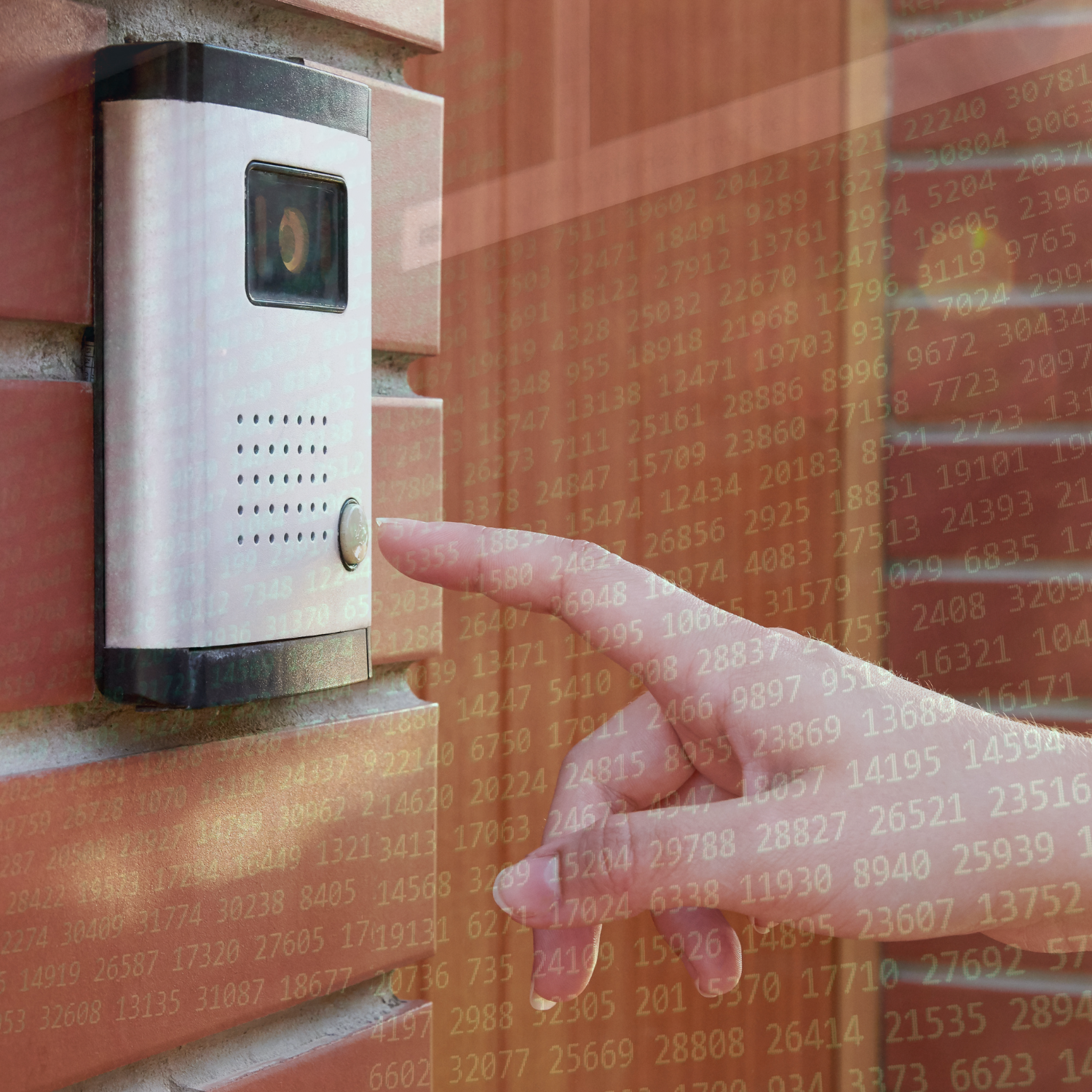
Are Video Doorbells a Privacy Risk?
In short, yes. A video doorbell can create privacy and security risks when footage is stored in the cloud.
Cloud-based video doorbells may allow access by companies, employees, law enforcement agencies, or hackers. These risks increase when users do not control where footage is stored, how long it is kept, or who can access it.
Already aware of the benefits of a more secure system?
Find out more about what Monitoreal offers, with a wide range of privacy-oriented video surveillance device.
Why Cloud Video Doorbells Carry More Risk
Most popular video doorbells automatically upload footage to remote servers owned by the manufacturer.
This includes products from Amazon, Google, and other large technology vendors.
Law Enforcement Access to Video Doorbell Footage
One of the biggest concerns surrounding the modern video doorbell is law enforcement access.
Cloud-stored footage can be requested through:
-
Warrants or subpoenas
-
Emergency disclosure requests
-
Voluntary community-sharing programs
Ring and Police Requests
Amazon’s Ring has faced ongoing criticism for its relationship with U.S. police departments.
According to reporting by the Electronic Frontier Foundation, Ring has enabled systems that make it easier for law enforcement to request footage directly from users, and, in some cases, receive footage without a warrant under “emergency” exceptions.
Although sharing is technically optional, critics argue that many users do not fully understand how far shared footage can travel once released.
Federal Agency Concerns
Investigations have also raised concerns about footage being routed through third-party platforms connected to broader surveillance networks.
This has led to fears that video doorbell recordings could indirectly support investigations by federal agencies such as ICE, even if the original user intent was limited.
Amazon has publicly denied providing direct ICE access, but once footage is shared with local law enforcement, downstream control becomes limited.
Hacking and Unauthorized Access Risks
Real-world incidents have included:
-
Hackers speaking to homeowners through cameras
-
Unauthorized viewing of indoor and outdoor feeds
-
Live streams of private footage posted online
In a U.S. enforcement action, the Federal Trade Commission found that Ring failed to properly restrict internal access to customer video data, allowing employees to view private footage without adequate oversight.
These risks increase when:
-
Passwords are reused
-
Two-factor authentication is disabled
-
Video feeds remain accessible via the cloud 24/7
The Broader Surveillance Problem
A video doorbell does not only capture your front door. It may also record:
-
Neighbors
-
Passers-by
-
Delivery workers
-
License plates
-
Children playing outside
This raises legal and ethical concerns, especially in states with stricter expectations around consent and reasonable surveillance.
When combined with facial recognition or AI analysis, features increasingly discussed by cloud providers, the privacy impact grows even larger.
How to Reduce Video Doorbell Risk
You do not need to abandon video security altogether. However, how a video doorbell stores and processes footage matters.
Safer Practices for Any Video Doorbell
-
Enable two-factor authentication
-
Use a unique password
-
Disable community-sharing features
-
Review emergency disclosure policies
-
Limit cloud retention time
Choosing a Safer Video Doorbell Architecture
The most effective way to reduce risk is to avoid cloud dependency altogether.
A video doorbell or CCTV system that:
-
Processes video locally
-
Stores footage on-site
-
Does not upload to third-party servers
…will all dramatically reduce exposure to:
-
Law enforcement overreach
-
Corporate misuse
-
Mass data breaches
-
Remote hacking
This is why many homeowners and professionals are now exploring edge-based video security rather than cloud-first models.
A Smarter Alternative: Local, On-Device Video Intelligence
Edge-based video systems analyze footage inside the device itself, not in the cloud.
This approach:
-
Keeps video data on your property
-
Eliminates third-party access by default
-
Works even if the internet goes down
-
Avoids subscriptions and data resale
For homeowners concerned about privacy, this architecture aligns far better with the original purpose of a video doorbell: security without surveillance.
If you’re reconsidering cloud-based doorbells, it may be time to explore locally processed video security options.
A video doorbell can improve awareness, but only if it doesn’t compromise privacy in the process.
Cloud-based video doorbells introduce risks that many users never intended to accept, from law enforcement access to hacking and data misuse.
By understanding these risks and choosing systems that prioritize local processing and data ownership, homeowners and businesses can protect both their property and their privacy.